This page is written for shoppers in the UK looking for authentic Japanese plates, textured glaze bowls, and Japanese mugs UK delivery can reach quickly. We dispatch from London and pack ceramics carefully.
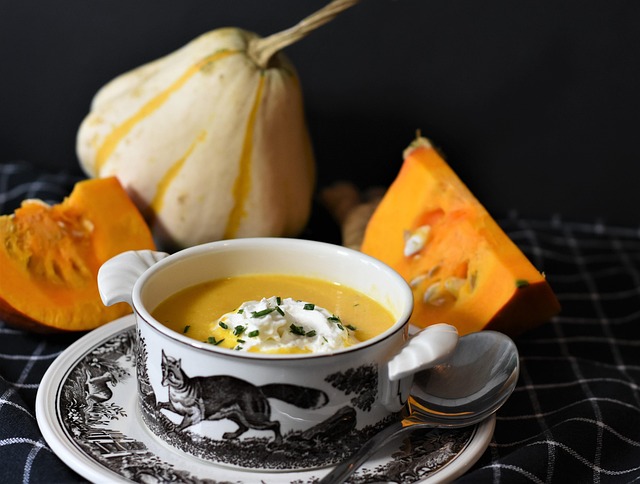
Recommended image: a calm UK home table scene with mixed glazes, linen, and soft window light.
What “trends” mean for Japanese tableware in 2026
Trends can sound like fast fashion, but Japanese ceramics move at a slower, more thoughtful pace. What changes year to year is how people use tableware at home, how interiors shift, and which colours feel restorative. In the UK, 2026 has continued a move towards functional minimalism and calm spaces. The most loved Japanese tableware styles fit this perfectly because they are designed for repeated use, with forms that feel good in hand and glazes that look richer over time.
When we talk about Japanese tableware trends 2026, we are focusing on patterns we see in customer choices and styling, not hype. We see buyers choosing authentic Japanese plates that frame food without feeling formal. We see textured glaze bowls used for everything from noodles to porridge and salad. We see Japanese mugs UK customers want for daily rituals, chosen as much for touch as for shape. And we see a renewed appreciation for wabi-sabi ceramics: small variations that make a piece feel human and grounded.
If you are shopping from London or anywhere in the UK, this guide helps you turn the look into a set that works in your cupboards and on your table. Use it as a filter. Pick one palette, one or two glaze families, and a handful of core shapes. Then build slowly. Fewer pieces, better choices, and a table that feels like a soft exhale.
The 2026 trend map: choose your direction
Most UK homes will recognise some version of these five directions. You can pick one as your “centre” and borrow gently from another. The key is cohesion without rigidity. Japanese ceramics are beautiful when they feel collected rather than matched.
| Trend direction | Key look | Best pieces to start | Shop link |
|---|---|---|---|
| Muted Japandi | Beige, stone, sage, pale charcoal, linen textures | Medium plates, shallow bowls, everyday mugs | Plates |
| Wabi-sabi warmth | Soft speckle, irregularity, natural glaze flow | Textured glaze bowls, small plates, tea cups | Bowls |
| Indigo contrast | Deep blue glazes, patterned accents, crisp whites | Sushi platters, side plates, rice bowls | Shop |
| Functional minimalism | Clean profiles, stackable shapes, balanced rims | Everyday plates and bowls, coffee cups | Mugs & Cups |
| Quiet statement glaze | Matte blacks, iron-speckle, smoky greens, ash tones | Serving bowls, medium plates, one “hero” cup | Shop |
A simple rule for cohesion
Choose one “base neutral” (stone, sand, or soft grey) and one accent (indigo, sage, or charcoal). Then keep shapes consistent: medium plates and bowls that stack, plus a cup shape you love holding.
A simple rule for joy
Add one piece that makes you smile, even on an ordinary Tuesday. It could be a softly speckled bowl or a mug with a thumb rest. That is the point of soulful Japanese dishes.
Trend 1: muted, earthy tone tableware that suits British light
In the UK, light shifts dramatically across seasons. One reason earthy tone tableware is thriving in 2026 is that it stays flattering in grey winter mornings and soft summer evenings. Stone, sand, oat, and warm greys are forgiving colours. They make food look appetising, they soften busy countertops, and they pair well with wood, stainless steel, and painted cabinets.
For Japandi tableware, the best approach is gentle contrast. A pale plate with a slightly darker rim frames food naturally. A warm beige bowl feels cosy with porridge, miso soup, or a simple salad. If you want one accent, choose indigo. It is a classic Japanese table colour that feels calm rather than loud. Many buyers searching for “authentic Japanese dinnerware London” are really searching for this feeling: understated elegance, a sense of rest, and pieces that help the table look “finished” without effort.
If your cupboards are small, choose one core neutral and repeat it. A cohesive palette does not mean identical pieces. It means they sit peacefully together. Mix matte and gloss. Mix a speckled glaze with a smooth porcelain. As long as the colours are in the same family, it will look intentional.
Shopping tip for UK kitchens
- Choose a neutral that matches your most-used textiles: tea towels, placemats, linen napkins.
- Pick one accent colour for contrast: indigo, smoky green, or charcoal.
- Start with a medium plate and a bowl, then add matching cups once you love the feel.
Trend 2: textured and matte glazes that invite touch
Texture is a quiet kind of luxury. It does not shout, but it changes how you experience a meal. In 2026, the rise in textured glaze bowls and matte mugs is linked to an appetite for sensory comfort. People want tableware that feels steady in the hands and makes hot drinks feel warmer. Matte glazes soften reflections, which helps a table look calm on camera, but the deeper reason is human: tactile surfaces make ordinary routines feel more present.
When you shop wabi-sabi ceramics, you are choosing pieces that accept variation. Speckle, glaze pooling, slight asymmetry, and tiny pinholes can occur, depending on the glaze and firing. These details are not flaws by default. They are part of how handmade Japanese pottery shows its life. The important thing is clarity. A good retailer explains what you will see, provides detailed photos, and chooses pieces with solid functionality: stable bases, comfortable rims, and glazes that are suitable for regular food use.
The most versatile texture-led pieces for UK homes are bowls and cups. A textured bowl makes everything look intentional: granola, noodles, curry, berries, even a simple slice of toast placed inside. A matte cup makes tea feel like a ritual. If you want to dip into this trend without rebuilding your whole set, add one bowl and one mug in a soft speckled glaze, then pair them with your existing plates.
Trend 3: functional minimalism and stackable sets
Minimalism in 2026 is more practical than aesthetic. People are choosing tableware that fits into compact spaces, supports meal prep, and looks good without styling. Japanese tableware naturally aligns with this because many forms are designed for small homes and multi-purpose use. A medium plate can be breakfast, lunch, and dessert. A bowl can be soup, salad, rice, and snacks. A cup can hold tea, coffee, or even a small dessert.
If you want a set that feels cohesive, focus on three shapes: a medium plate (around the “everyday” size), a versatile bowl (not too deep, not too shallow), and a mug or cup you will reach for daily. Then add a couple of side plates for toast, cake, or small sharing. This way, you create a calm base that matches Japandi interiors, without committing to a large matching set you might not use.
Buyers searching “Japanese tableware UK” often have a practical question underneath: will it work in my life? Our answer is to curate for real habits: pieces that stack, that feel balanced, and that can handle both Japanese dishes and everyday British meals. If you are unsure where to begin, start with plates and bowls first. Cups are deeply personal: the right handle and rim shape matters, and you will know it when you feel it in your hand.
Core set builder (simple, realistic)
| Household size | Plates | Bowls | Cups |
|---|---|---|---|
| 1 person | 2 medium, 2 side | 2 versatile | 2 favourites |
| 2 people | 4 medium, 4 side | 4 versatile | 4 favourites |
| Family | 6 medium, 6 side | 6 versatile | 6 mixed shapes |
This is guidance, not a rule. Build slowly, based on what you actually use.
Trend 4: region-led buying (Hasami, Mino, Arita and beyond)
One of the strongest signals of E-E-A-T in Japanese ceramics is knowledge of regions and materials. In 2026, shoppers are more informed. People search for Hasami porcelain UK stockists, Minoyaki plates, and modern Arita ware because they want a story and a practical expectation: how will it feel, how will it wear, and what style does it suit?
Region-led buying is not about collecting labels. It is about choosing what matches your home and habits. Hasami-style porcelain is often appreciated for its crisp look, smooth surface, and practical durability. Mino-style ceramics are loved for variety: matte neutrals, speckle, expressive glazes, and everyday-friendly shapes. Arita-style porcelain can range from classic to modern, often with refined finishing that suits both daily use and gifting.
If you are building a set for a Japandi home, consider using porcelain for your base plates (clean, easy, bright) and adding one or two stoneware bowls for warmth and texture. That mix is common across UK tables because it looks balanced and feels comforting. For deeper region comparisons and what each is typically best for, visit our Regions page and then shop with those insights in mind.
Trend 5: everyday ceremony, with cups and bowls at the centre
In 2026, many UK households are creating small rituals rather than grand routines. A favourite cup for morning coffee. A bowl that makes lunch feel cared for. A plate that frames a simple dinner. Japanese mugs and cups are at the heart of this because they are held often and noticed closely. The right cup becomes a daily companion, not just a vessel.
If you want to start with one purchase that changes how the day feels, choose a cup first. Look for a comfortable handle, a rim that feels smooth, and a glaze that warms your eyes. If you prefer handleless forms, a yunomi-inspired cup can feel grounded and calm. If you are a tea drinker, look for a slightly smaller cup that keeps warmth and invites slow sipping. If you are a coffee drinker, choose a stable base and a shape that suits your brew style.
Bowls are the other centre. They are the most flexible piece in a kitchen. A versatile bowl can replace multiple items: cereal bowl, soup bowl, noodle bowl, snack bowl, and small serving bowl. That is why textured glaze bowls are such a strong trend. They make daily food look and feel more nourishing, even when the meal is simple.
FAQ: Japanese tableware trends 2026
Concise answers for common UK shopping questions. These are written to be schema-ready, and to help you choose pieces that fit your home, not just a trend photo.
What are the biggest Japanese tableware trends in 2026?
Muted Japandi palettes, textured and matte glazes, functional minimalism with stackable shapes, region-led buying (Hasami, Mino, Arita), and everyday ritual pieces such as mugs and versatile bowls.
Which colours suit Japandi dinnerware in the UK?
Stone, sand, warm grey, soft charcoal, and sage work well in British light. Indigo is a classic accent that adds contrast without feeling loud.
Are wabi-sabi ceramics meant to look imperfect?
Often, yes. Small variations in glaze, speckle, and shape can be normal for handmade Japanese pottery. The aim is honest character with practical usability.
What should I buy first if I want a cohesive set?
Start with a medium plate and a versatile bowl in one neutral family, then add cups in a matching finish. Build slowly based on what you reach for daily.
Why are textured glaze bowls so popular in 2026?
They add sensory comfort and make simple food look intentional. Bowls are also the most flexible piece in a kitchen, replacing multiple items in small spaces.
Is Hasami porcelain a good choice for everyday UK use?
Many Hasami-style pieces are valued for practical porcelain, clean design, and everyday durability. For deeper comparisons, use our Regions page and then shop based on finish and form.
Do you ship Japanese tableware across the UK?
Yes. We dispatch from City Road, London EC1V 2NX and deliver UK-wide. Free UK delivery applies on orders over £75.