Skip to content
Japanese pottery regions, explained for UK shoppers

Japanese pottery regions: a practical guide to choosing pieces you will actually use

When people search for Japanese tableware UK options, they often want one thing: confidence. This guide compares key Japanese pottery regions and styles so you can choose plates, bowls, and cups that match your home, your food, and your daily rhythm. We dispatch from City Road in London, with free UK delivery on orders over £75.

Best for

Mindful dining

Japandi and wabi-sabi ceramics that feel calm, not clinical.

Materials

Porcelain & stoneware

From crisp Hasami-style porcelain to earthy, textured glaze bowls.

Dispatch

London, EC1V

Carefully packed and shipped UK-wide, free over £75.

map-inspired flat lay of Japanese ceramics representing pottery regions Hasami Mino Arita Shigaraki on wooden table

Choosing by region is not about collecting labels. It is a simple way to predict how a piece will feel in your hands, how it will stack in a cupboard, and how it will look with your food.

Recommended image: calm, natural light, muted palette, subtle texture. No heavy styling, just real tableware character.

How to use this guide (and why it helps)

If you are shopping for authentic Japanese plates, bowls, or Japanese mugs UK-wide, you will see the same names appear again and again: Hasami, Mino, Arita, Shigaraki. Those names can feel like a code. This page translates that code into everyday choices, with a focus on what matters in a British home: durability, weight, glaze feel, and versatility with both Japanese cooking and UK favourites.

A pottery region is not a single look. Within each area, there are multiple workshops, materials, and approaches. Still, regions tend to share practical traits. Porcelain-heavy regions often produce lighter pieces with crisp edges and smooth glaze. Stoneware regions may lean towards thicker bodies and tactile surfaces. In 2026, the most loved styles across Japandi dinnerware and wabi-sabi ceramics sit right in the middle: functional minimalism with a human touch.

We built this guide to support better buying. Rather than pushing a full set, we help you choose a few pieces you can live with. Start with what you use daily, then add a serving bowl or sushi platter when you know your habits. If you want a gentle starting point, begin with a medium plate and a versatile bowl. You can shop those categories directly, then return here when you want to expand with intention.

Key Japanese pottery regions (what they mean for your table)

Below is a region-by-region overview focused on real selection decisions. Each section includes what to look for, what it pairs well with, and who it tends to suit. If you are building a calm, cohesive set, use the notes on colour and glaze finish. If you are mixing and matching, focus on shape harmony and a shared accent tone such as indigo, charcoal, or warm sand.

Hasami (porcelain, everyday clarity)

Keyword focus: Hasami porcelain UK, functional minimalism

Hasami-style porcelain is loved for a reason: it is often clean, balanced, and easy to live with. In a UK kitchen, that translates to plates that stack neatly, bowls that feel light without being fragile, and a surface that highlights food. If you enjoy calm structure, this is a strong foundation for Japandi dinnerware.

What to look for: a stable foot ring, a rim that is comfortable to carry, and a glaze that feels smooth but not slippery. In 2026, many shoppers combine porcelain basics with one or two more tactile stoneware pieces for warmth. That mix keeps the table feeling human, not overly uniform.

  • Best for: daily plates, rice bowls, clean-lined serving pieces
  • Pairs well with: indigo accents, pale wood, linen napkins
Hasami style porcelain plate with clean lines and subtle glaze on minimalist Japandi table UK

Mino (glaze variety, comforting texture)

Keyword focus: Minoyaki tableware, textured glaze bowls

Mino is often where people fall in love with glaze. If you are drawn to wabi-sabi ceramics, this region family is a natural home: soft speckle, gentle variation, and finishes that shift with the light. For 2026, we see customers choosing muted, earthy tones such as sand, mushroom, and soft charcoal, with the occasional deep indigo accent.

What to look for: a bowl that feels good in both hands, a glaze that has depth rather than shine, and a silhouette that supports everyday meals. Mino-style bowls suit soups, noodles, salads, and quick lunches. They are also forgiving in mixed sets because the glaze acts like a visual bridge between different plates.

  • Best for: bowls, medium plates, cosy serving pieces
  • Pairs well with: linen textures, warm wood, simple white porcelain
Minoyaki style bowl with matte speckled glaze in earthy tones for wabi-sabi dining UK

Arita (refined porcelain, modern restraint)

Keyword focus: Arita ware, authentic Japanese dinnerware London

Arita ware is often associated with refined porcelain and crisp detail. For UK shoppers, it can be a beautiful choice when you want a cleaner finish for small plates, cups, and gift-worthy pieces. In 2026, Arita-inspired design also appears in modern, understated forms that suit minimal homes without feeling cold.

What to look for: thin-but-strong rims, balanced weight, and a glaze that feels silky. These pieces often photograph well, which matters if you enjoy hosting or sharing meals. They also make thoughtful gifts because the finish reads as special, even when the form is simple.

  • Best for: side plates, small dishes, tea cups and coffee cups
  • Pairs well with: indigo, white-on-white, pale grey stoneware
Arita style porcelain small plates and cups with crisp lines and indigo accents on UK table

Shigaraki (earthy stoneware, honest warmth)

Keyword focus: wabi-sabi ceramics, earthy tone tableware

Shigaraki-style stoneware tends to feel grounded. Think of warm clay bodies, ash-like tones, and surfaces that invite touch. If you want tableware that makes a meal feel like a pause, this is a strong direction. It works beautifully with soups, shared salads, and simple food arranged with space.

What to look for: a comfortable weight, a base that sits steady, and a glaze that shows gentle natural variation. These pieces often suit 2026 trends toward raw textures and muted palettes. They also play well with natural wood, charcoal linens, and a single indigo accent plate to sharpen the overall look.

  • Best for: serving bowls, mugs, statement pieces in a minimal set
  • Pairs well with: sand tones, charcoal, matte black chopsticks
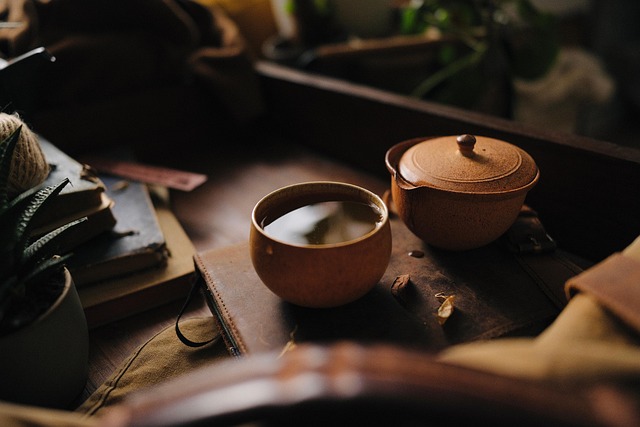
Shigaraki style earthy stoneware mug and serving bowl with natural ash tones on wooden table

How we curate regions for UK homes

We do not treat region names as a shortcut for quality. Instead, we use them as a way to organise what you might value: porcelain clarity vs stoneware warmth, crispness vs texture, refined finish vs rustic comfort. For each piece we add, we look at practical details: how it feels when lifted, whether it stacks smoothly, how it behaves with cutlery, and how the glaze reads under British light. That is how we keep the promise behind searches like authentic Japanese dinnerware London, without overclaiming.

If you want the best Japanese ceramics 2026 style, aim for a calm base of neutrals, then add one accent tone. A common pairing is sand and charcoal with indigo. Another is warm beige with soft sage. These combinations work across plates, bowls, and mugs, and they suit both Japanese food and everyday UK meals like toast, pasta, salads, and shared roast sides.

Curate your set, the simple way

  • Choose 2 plate sizes: side + medium or dinner
  • Add 1 everyday bowl per person (plus 1 serving bowl)
  • Finish with mugs or cups for daily drinks

Free UK delivery over £75. Dispatched from London EC1V.

Frequently asked questions

Quick answers for shoppers comparing Japanese pottery regions, glazes, and materials. For a style-led overview, visit Trends 2026.

Which Japanese pottery region is best for everyday use in the UK?

For many households, Hasami-style porcelain is a strong everyday choice because it often stacks well and feels balanced. Mino-style bowls are also popular for daily comfort and glaze warmth.

What does Minoyaki mean when I am shopping online?

Minoyaki generally refers to pottery associated with the Mino area, often known for a wide range of glazes and friendly shapes. It is a good direction if you want textured glaze bowls and earthy tone tableware.

Is Arita ware always blue and white?

No. Arita is known for porcelain and can include classic blue-and-white, but also modern minimalist designs and subtle palettes. Look at the glaze, rim profile, and weight for cues on the style.

How do I build a cohesive Japandi table with mixed regions?

Choose a calm base (sand, warm white, soft charcoal) and repeat one accent tone (often indigo). Keep shapes consistent: similar rim thickness and proportions across plates and bowls will make the set feel intentional.

Do region names guarantee a piece is handmade?

Not necessarily. Regions include a range of production methods. What matters is how the piece is made and finished. We describe variation and materials clearly so you can choose confidently.

Where do you ship from, and do you deliver across the UK?

We dispatch orders from City Road in London (EC1V 2NX) and deliver UK-wide. Free UK delivery applies on orders over £75.

What should I buy first if I am new to Japanese tableware?

Start with a medium plate and a versatile bowl. Add a mug or cup next. This covers most meals and helps you learn what shapes you naturally reach for.

Build your shortlist

Use regions for direction, then choose the category that fits your day-to-day. If your aim is a soulful Japanese dishes look, prioritise one or two textured pieces and keep the rest calm and practical.

mixed Japanese tableware set combining porcelain plates and textured stoneware bowls in muted 2026 palette

Image suggestion: mixed set showing region-inspired contrast: clean porcelain plus tactile stoneware.