
Best for
Weeknight dinners
Brunch plates
Sushi platters
2026 look
Matte neutrals
Soft speckle
Indigo contrast
A good plate changes your relationship with food. Not by making dinner complicated, but by making simple things feel considered: toast, fruit, noodles, a shared salad.
Recommended image: stacked Japanese plates with a linen napkin, soft window light, and subtle glaze variation.
Choosing Japanese plates in the UK: what matters in daily use
When people search for Japanese tableware UK or authentic Japanese plates, they often want two things at once: a calm, beautiful table and pieces that cope with real life. The best Japanese ceramics in 2026 are not only photogenic. They are practical in hand, stable on the table, and comfortable to stack in a cupboard that is already doing a lot of work.
Our plate selection focuses on proportion and feel. A slightly raised rim helps sauces stay put and frames food naturally. A balanced weight makes a plate feel grounded, not heavy. A clean foot ring helps it sit confidently on the table, and also affects how the plate stacks. These details may sound small, but they are why certain pieces become the ones you reach for without thinking.
In Japandi interiors, plates often become part of the room even when they are not in use. Muted palettes and matte surfaces pair naturally with wood, linen, and stone. Wabi-sabi ceramics add gentle irregularity, which can soften the tidy lines of a modern British kitchen. If you love indigo, a deep blue plate can make pale foods glow and turn a simple supper into something that feels like a gift to yourself.
Our plate categories (and how UK households use them)
Dinner plates
The everyday anchor: roast vegetables, rice bowls with sides, pasta, or a composed salad. A good dinner plate should feel calm and spacious, even with simple food.
Side plates
Toast, pastries, pickles, cake, or small bites. Side plates are often the most-used pieces in a cupboard, so comfortable stacking and easy wiping matter.
Medium plates
A 2026 favourite for functional minimalism: big enough for a full meal, small enough for weekday portions. Perfect for sushi bowls as a plated style.
Sushi platters
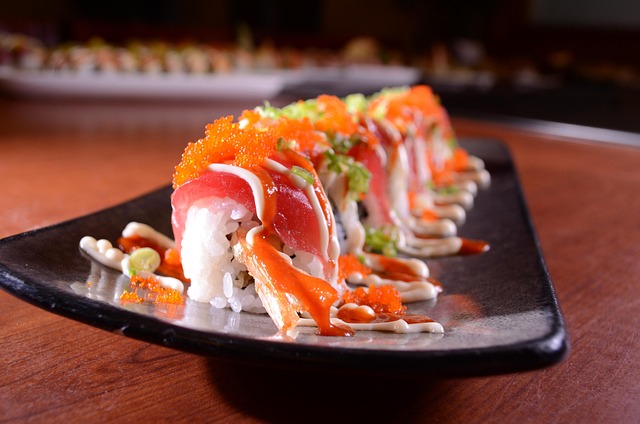
Long, low shapes that look elegant with sashimi, gyoza, cheese, fruit, or a shared dessert. They also work beautifully as a coffee table serving plate.
We dispatch from London and deliver across the UK, with free UK delivery over £75. If you are building a set slowly, consider starting with four medium plates and two sushi platters. That combination handles most meals and hosting moments, without needing a huge matching set. For a softer, more personal look, mix one neutral glaze with one indigo accent and let your food bring the colour.
How our curation supports E-E-A-T
We keep our guidance practical and specific, because that is what helps you choose well. Our educational pages explain how pottery regions differ, why certain glazes read warmer under British light, and how 2026 trends like matte textures and earthy palettes translate into pieces you can actually use. We also encourage real-life photography in UK homes: natural daylight, everyday meals, honest styling.
- Expertise: region context through our Japanese pottery regions guide.
- Experience: styling notes designed for UK kitchens and storage realities.
- Trust: transparent business details and policies linked in the footer.
Japanese plate size guide for UK dining
Sizing can feel confusing because Japanese tableware traditions include many shapes designed for specific dishes, while UK households often want versatile pieces. This guide keeps it simple. Measurements are approximate, and individual handmade pieces may vary slightly. If you want a cohesive set, aim to repeat the same diameter for your everyday plates, then add one or two expressive shapes for serving.
Common plate types (diameter and best uses)
| Type | Typical size | Best for | 2026 styling tip |
|---|---|---|---|
| Side plate | 14 to 17 cm | Toast, cake, pickles, small bites | Choose a speckled neutral for warmth |
| Medium plate | 18 to 22 cm | Weekday meals, small mains, brunch | Matte glaze reads calm under soft light |
| Dinner plate | 23 to 27 cm | Full mains, sharing for two, roast dinners | A wider rim frames food beautifully |
| Sushi platter | 28 to 35 cm (length) | Sushi, gyoza, cheese, desserts | Indigo creates contrast with pale foods |
If you are creating a set for a small London flat, medium plates often do the heaviest lifting. They suit most meals and fit comfortably in standard cupboards. If you have room for dinner plates, choose a shape with a rim that feels protective, so sauces and dressings stay contained. For serving, one or two platters make the biggest visual difference, especially when paired with textured glaze bowls from our Bowls page.
Pairing ideas (plates + bowls + cups)
A cohesive table does not need identical pieces. It needs harmony. Use one shared colour family and let texture do the work. This approach is popular with buyers seeking Japandi tableware and handmade Japanese pottery that feels personal, not showroom-perfect.
- Neutral medium plates + one indigo platter for contrast.
- Matte dinner plates + textured glaze bowls for soups and noodles.
- Side plates in warm sand tones + mugs in soft speckle.
Rice, soup, serving, matcha shapes.
Coffee cups, tea cups, everyday mugs.
Image suggestion: mixed set in muted palette, showing harmony through texture.
FAQs: Japanese plates, shipping, and authenticity
Straight answers for shoppers comparing Japanese plates in the UK. For deeper context on Hasami, Mino, Arita and more, visit Regions.
What is the best Japanese plate size for everyday UK meals?
Many UK households find an 18 to 22 cm medium plate the most versatile. It suits breakfast and lunch, plates neatly, and stacks well in smaller cupboards.
Are Japanese plates dishwasher safe?
Care varies by material and glaze. Product descriptions should be followed for the specific piece. Many people prefer gentle hand-washing for handmade pottery to preserve the finish.
Do you sell Hasami porcelain UK styles?
Our curation includes styles associated with well-known Japanese pottery traditions and regions. For region comparisons and what each is known for, visit our Regions guide.
Will my plates look identical to the photos?
Handmade Japanese pottery can vary slightly in glaze flow, speckle, and tone. We consider this part of the wabi-sabi character and aim to show realistic images and descriptions.
Do you deliver outside London?
Yes. We deliver UK-wide and dispatch from London. Free UK delivery applies on orders over £75.
What plates suit Japandi and minimalist interiors in 2026?
Look for matte or softly textured glazes in earthy tones, with simple shapes and tidy stacking. Add one indigo piece for contrast if you want depth without clutter.
Do you have a physical shop on City Road?
No. We are an online store only. Our registered address is used for administration and dispatch, not for showroom visits.
Moodboard: plate styling ideas
If you are shopping for the best Japanese ceramics 2026 style, styling is part of the joy. Keep it simple: linen napkins, wooden chopsticks, and one seasonal ingredient. Let the plate do the quiet work.


Looking for a complete table? Pair plates with bowls and mugs for a balanced set.