
A good cup is a small, steady promise: warmth in your hands, a calm rim against your lips, and a glaze that looks different each time the light changes.
Recommended image: close-up of a textured glaze cup beside tea leaves and a linen cloth, soft window light.
Choose your cup style: tea, coffee, or all-day comfort
Japanese cups come in a wide range of shapes, and the difference is often felt more than seen. If you are searching for authentic Japanese tableware in the UK, start by thinking about your everyday drink: a strong morning coffee, a mid-afternoon green tea, or a slow evening herbal brew. The right form supports the ritual, then disappears into ease.
Yunomi-style tea cups
Often handleless, gently tapered, and designed to sit warmly in your palms. These suit green tea, hojicha, and small pours that encourage pauses. In a Japandi home, a yunomi cup looks clean and calm without feeling sterile.

Coffee cups & small mugs
For flat whites, long blacks, and oat milk lattes, look for a comfortable rim and a steady base. Many Japanese coffee cups have compact footprints that suit smaller UK kitchens, while still feeling generous in the hand.

Pottery mugs with handles
If you love long teas, hot chocolate, or cosy morning brews, a handled mug can be the right companion. In 2026, textured and matte finishes are especially popular: they feel grounded, and they hide everyday marks more kindly than high gloss.
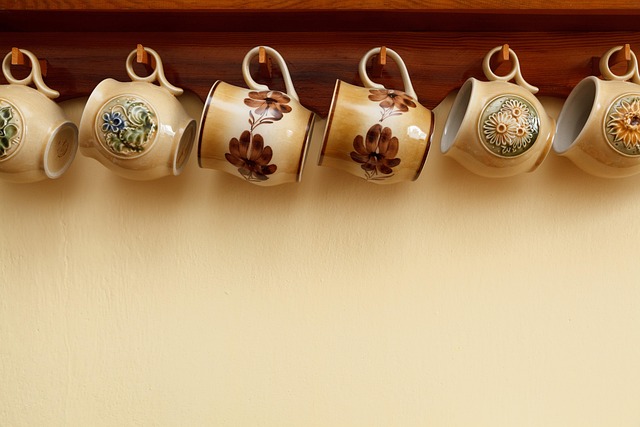
Sizing guide: pick a cup that fits your ritual
Product pages will list exact measurements, but if you are planning your set, these ranges help you shortlist quickly. This is a practical way to shop Japanese mugs UK-wide without guessing from photos alone.
| Cup type | Typical capacity | Best for | Notes |
|---|---|---|---|
| Yunomi tea cup | 140 to 220 ml | Green tea, hojicha, oolong | Handleless warmth, steady and simple |
| Coffee cup | 180 to 260 ml | Flat white, filter, small latte | Look for a comfortable rim and balanced weight |
| Handled mug | 280 to 420 ml | Long tea, hot chocolate | Check handle clearance for comfortable fingers |
What makes a cup feel “right”
When you browse the best Japanese ceramics 2026 has brought into focus, the difference is often a handful of small decisions:
- Rim feel: smooth enough for daily use, with a thickness that feels comforting.
- Heat management: handleless cups that sit warm, not scorching.
- Glaze texture: matte, satin, or gently speckled for a wabi-sabi mood.
- Foot ring stability: cups that sit confidently on your desk or table.

Image suggestion: rim close-up with gentle speckle under soft light.
2026 style notes: muted palettes, tactile glaze, functional minimalism
Mugs and cups are where Japanese pottery becomes most personal. You touch the piece every day. You notice the way the glaze changes after washing, how the surface looks against a wooden tray, and how a simple cup can anchor a moment of calm between meetings. That is why mugs and cups are central to the Japanese tableware UK conversation in 2026: they offer high daily value without demanding a full table reset.
The strongest trend we see is a return to natural materials and quiet contrast. Earthy tone tableware is not just beige. It is layered neutrals: mushroom, sand, oat, soft grey, and gentle charcoal. Indigo remains a favourite accent because it makes pale drinks look clean and luminous. In a wabi-sabi spirit, customers are choosing pieces where the glaze is slightly unpredictable: a soft drip line, a faint speckle, or a satin sheen that looks different under morning and evening light.
Functional minimalism also matters more than ever. In UK homes, many mugs live on open shelves, and cups often sit near kettles, coffee machines, or desks. That means height, footprint, and stackability are not small details. We curate shapes that sit securely, feel stable in one hand, and fit naturally into a daily routine. For those building a cohesive Japandi dinnerware set, we recommend choosing a cup glaze that harmonises with your plates and bowls, then adding a single contrasting accent for visual relief.
Pairing suggestions: cups that match your table
If you want a set that feels collected rather than matched, use one anchor colour and one accent. This approach suits authentic Japanese plates and bowls, and it works beautifully for mugs and cups too.
Calm neutral set
Matte beige cup + speckled bowl + sand plate. Add wooden chopsticks or a linen napkin for warmth.
Indigo accent set
Charcoal mug + indigo cup + light plate. Great for sushi nights and simple breakfasts.
Wabi-sabi texture
Satin-glaze cup + textured glaze bowl. Keep food styling simple: rice, greens, broths, fruit.
Modern porcelain clarity
Clean white or pale grey cup + crisp plate edges. A good fit for tidy, minimal shelves.
London dispatch, UK-wide delivery
We pack ceramics with protective materials and dispatch from City Road, London EC1V 2NX. We are online only, with no showroom visits. If you are ordering for London or the South East, you will often appreciate the shorter distance from dispatch to doorstep. For the rest of the UK, careful packing matters most.
Delivery value
Free UK delivery on orders over £75.
Threshold stated clearly at checkout.

Image suggestion: boxed ceramics with tissue and cardboard supports, calm branding.
Moodboard ideas (for your own shelf)
If you like your cups on display, try a simple, calm arrangement. This supports a Japandi look while keeping things practical:
- Group by glaze family: neutrals together, indigo together.
- Vary height subtly: two mugs, two cups, one small bowl as a spoon rest.
- Add one natural element: wooden tray, linen, or a small plant.
FAQs: Japanese mugs and cups in the UK
Clear, practical answers for choosing cups and mugs online. For deeper education, see Regions and Trends 2026.
What is the difference between a yunomi cup and a mug?
A yunomi is typically handleless and designed for tea, often with a shape that warms the hands. A mug usually has a handle and a larger capacity, suited to longer drinks like black tea or hot chocolate.
Are Japanese mugs and cups dishwasher safe?
It depends on the piece and glaze. Many everyday ceramics can handle gentle dishwasher cycles, but hand washing is kinder for textured and matte finishes. Product details should always guide final care.
Do handmade cups vary in colour and texture?
Yes. Small variations in glaze flow, speckle, and tone are common and are often part of the appeal of wabi-sabi ceramics. We recommend reviewing all images and descriptions before ordering.
Which glazes are most popular for Japandi tableware in 2026?
Muted neutrals (sand, mushroom, oat), soft grey, and charcoal are strong choices, often paired with indigo accents. Matte and satin finishes are especially popular for a calm, tactile look.
Do you ship mugs and cups across the UK?
Yes. We dispatch from London (City Road, EC1V 2NX) and ship UK-wide. Orders over £75 qualify for free UK delivery.
How do I choose a mug that feels comfortable?
Look at capacity, height, handle clearance, and rim thickness. If you prefer warmth in both hands, a handleless cup may suit you. If you sip slowly, a slightly thicker rim can feel more comforting.
Can I build a matching set with plates and bowls?
Yes. Many customers start with a cup glaze they love, then choose plates and bowls in the same glaze family. If you want a curated look, keep one anchor colour and add one accent like indigo.
A gentle next step
If you came here searching “Japanese mugs UK” or “Japandi tableware”, the simplest way to build a cohesive set is to pick one everyday cup, then choose one plate and one bowl in complementary tones. That trio covers most meals and makes your table feel intentional without overbuying.
Image suggestion: cup + plate + bowl trio in muted palette, minimal styling.