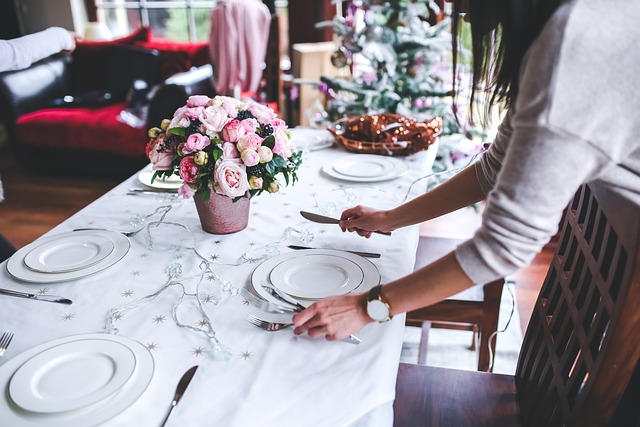
What shoppers look for
- Rice bowls with comfortable curve and steady base
- Soup bowls that hold heat and feel cosy in the hands
- Serving bowls for salads, noodles, and shared sides
Recommended image: a single bowl with matte glaze, linen napkin, wooden table, soft window light.
How to choose the right Japanese bowl for your home
If you are searching for Japanese tableware UK-wide, bowls are often the best first purchase because they work across cuisines. A good bowl is a workhorse: it holds rice, noodles, salads, berries, soups, and even quick pasta. But the “right” bowl depends on how you eat, how you store tableware, and the feeling you want at the table.
In our London-based edit, we focus on bowls with quietly excellent ergonomics. That means a comfortable lip, a curve that sits naturally in the palms, and enough weight to feel stable without being heavy. For many UK kitchens in 2026, stacking matters as much as style, so we favour shapes that nest well and fit typical cupboard heights.
If you love wabi-sabi ceramics, you may be drawn to textured glaze bowls with subtle speckle, kiln marks, or gentle variation. Those details are not flaws. They are signs of the firing process and the maker’s hand. If your taste leans Japandi dinnerware, choose muted glazes in sand, mushroom, soft charcoal, or a restrained indigo. Those tones pair easily with wood, linen, and the calm neutrals popular in British interiors right now.
Bowl types, sizes, and what they suit
Use this guide to narrow down your first bowl. Our product listings on the Shop page include measurements and style notes, but this table helps you decide what to look for.
| Bowl style | Typical size | Best for UK meals | 2026 styling notes |
|---|---|---|---|
| Rice bowl | 11-13 cm wide | Rice, small donburi, sides, yoghurt | Matte neutrals, soft speckle, tidy foot ring |
| Soup bowl | 14-17 cm wide | Miso, ramen-style lunches, winter soups | Textured glaze for warmth; deeper curve holds heat |
| Serving bowl | 18-24 cm wide | Salads, sharing sides, noodles for two | Earthy tone tableware with indigo accents for contrast |
| Matcha-style bowl | 12-14 cm wide, taller profile | Tea rituals, snacks, small desserts | Wabi-sabi character, visible glaze flow, tactile rim |
If you are building a cohesive set, bowls are the anchor. Plates are the frame, mugs are the daily touchpoint, but bowls hold the heart of so many meals. When customers ask us what feels most “Japanese” on a UK table, it is often the bowl: the way it centres the food, the way it invites chopsticks, and the way it makes even a quick lunch look cared for.
A simple starting set
For a calm, Japandi-feeling setup in 2026, try two bowls in a matte neutral glaze plus one slightly larger serving bowl in a deeper tone. Add two medium plates to balance the set, and you will cover most weeknight meals.
Curated bowl highlights
Our Shop page holds the full catalogue. These highlights show the kind of pieces we prioritise: practical, soulful, and easy to mix into a British home. For region-specific guidance, explore Hasami, Mino, and modern Arita styles on our Regions page.
Everyday rice bowls
Look for a gentle curve and a rim that feels smooth on the lips. These suit rice, small salads, berries, and quick soups, and they stack neatly for smaller cupboards.
Soup and noodle bowls
Choose a deeper profile for ramen-style lunches and warming soups. A good noodle bowl has a steady base and enough width for toppings to sit beautifully.
Serving bowls for sharing
For gatherings, a serving bowl brings calm organisation to the table: greens, roasted vegetables, rice for the centre, or shared sides. Earthy glazes make simple food look generous.
London to nationwide delivery
Your order is packaged and dispatched from 124-128 City Road, London, EC1V 2NX. We deliver across the UK, with free UK delivery on orders over £75.
2026 bowl trends: texture, muted colour, and functional minimalism
The most-loved Japanese tableware trends in 2026 are not about loud novelty. They are about calm confidence. Customers across London and the UK are choosing pieces that feel steady and reassuring, with surfaces that invite touch and glazes that look different as the day changes. Bowls sit at the centre of that shift, because they are used constantly and they set the mood of a meal.
You will see a stronger preference for matte and semi-matte finishes, gentle speckle, and earthy tones that match Japandi interiors. Beige, sand, mushroom, soft charcoal and a deep, inky indigo appear again and again, sometimes on the same piece. This palette works beautifully with British ingredients: oats, berries, roasted vegetables, creamy soups, and small rice dishes. It also complements natural materials used in home styling, like wood, linen, and stone.
Another 2026 direction is “versatile depth”: bowls that are not too deep to eat comfortably, but deep enough for noodles, salads, or a generous breakfast. That practical middle ground suits busy weeks and smaller kitchens. If you want guidance on how specific regions contribute to these shapes and glazes, our Regions page explains why Minoyaki tableware is often chosen for expressive glaze work, while Hasami porcelain styles can suit those who prefer clean profiles and durable everyday use.
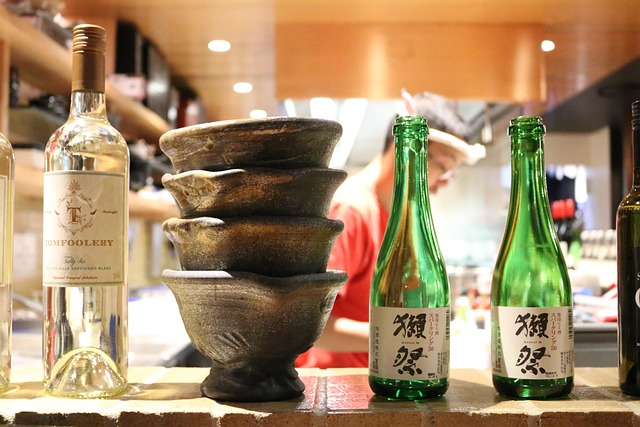
Moodboard: bowls that mix well
A cohesive table does not need perfectly matching pieces. Choose a shared colour family and consistent texture level, then add one contrast glaze for depth. This approach is popular for Japandi dinnerware in the UK because it looks calm, not staged.
FAQ: Japanese bowls in the UK
Clear answers for shoppers looking for authentic Japanese bowls UK-wide, including London customers in the EC1V area. These are written to help you choose calmly, without guesswork.
What is the best Japanese bowl to start with?
Start with a versatile medium bowl that can handle rice, salads, and soups. If you are building a Japandi setup, choose a matte neutral glaze that pairs easily with your plates and mugs.
Do you ship Japanese bowls across the UK?
Yes. We dispatch from London and deliver UK-wide. Free UK delivery applies on orders over £75, and we pack ceramics carefully to help them arrive safely.
What does wabi-sabi mean for bowl glaze and texture?
It often means gentle variation: glaze flow, speckle, and small differences between pieces. These are normal for many handmade Japanese pottery styles and can add warmth and personality to daily meals.
Are Japanese bowls only for Japanese food?
Not at all. Bowls work beautifully for British meals too: porridge, soups, pasta, salads, fruit, and shared sides. The shapes are practical, and the glazes make simple food look cared for.
How do I choose colours for a Japandi table?
Choose a base of muted neutrals like sand, mushroom, or soft charcoal, then add one deeper accent such as indigo. This keeps the table calm while still feeling intentional.
Where are you based in London?
We are based at 124-128 City Road, London, England, EC1V 2NX. We are an online store only and do not offer showroom visits, but we dispatch orders from London.
Should I buy matching bowls or mix styles?
Mixing often looks more natural. Keep one shared element, such as a colour family or glaze texture level, then vary shapes slightly. This is a popular approach for 2026 Japandi dinnerware.
Pairing suggestions
A bowl rarely stands alone. Pair it with a medium plate for balance, and add a mug or cup for daily drinks. Keeping the palette consistent makes the whole table feel curated, even when the pieces are mixed.
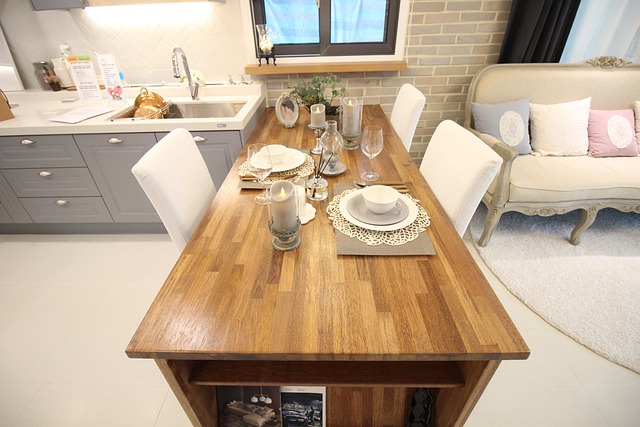
Image suggestion: a simple set with bowl, medium plate, and cup on linen.